 Rank Your Favorites
 Baby Names That Work Across Languages — Global Favorites
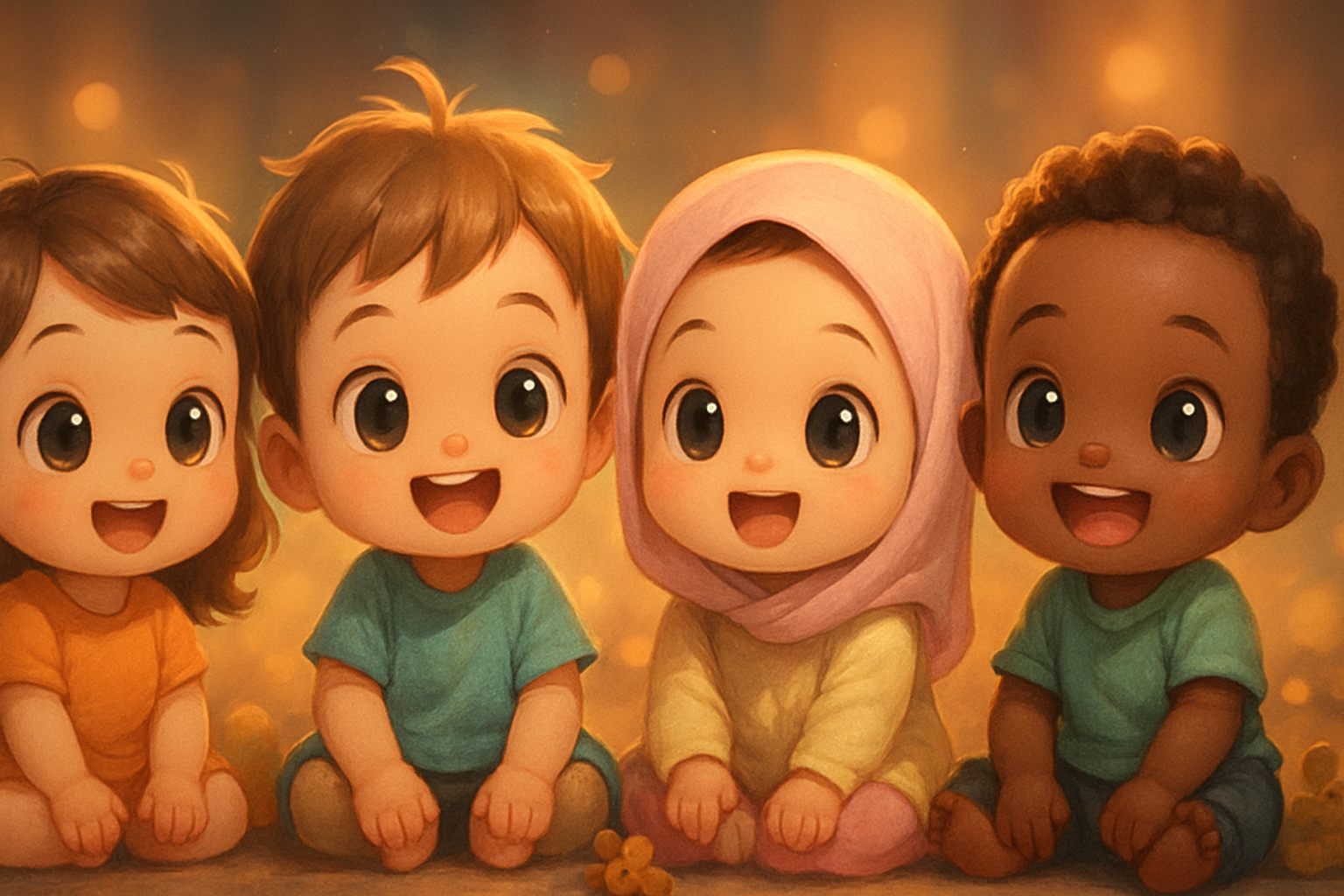
Key takeaways for international naming
- Pick names with simple phonetics and few unfamiliar consonant clusters to ease pronunciation across languages.
- Respect origin and meaning—learn whether a name has religious or cultural weight in different regions.
- Use a short nickname as a universal fallback and test the name aloud with likely family accents.
Baby names that travel: choosing a name for international families
Choosing a baby name that feels natural in more than one language is one of the most practical and emotionally intelligent decisions for internationally mobile families. This guide helps parents find names that are pronounceable across accents, respectful of cultural origins, and stylish in multiple naming traditions. I cover etymology, cross-cultural usage, famous bearers, pronunciation tips, sibling pairings, and popularity trends so you can pick names that honor heritage, travel easily in airports and classrooms, and age well from childhood to adulthood.
Anna — timeless, cross-linguistic classic
Anna derives from the Hebrew name Hannah, meaning "grace" or "favor," and passed through Greek and Latin into virtually every European language. Its simple three-syllable flow (AN-na or AH-na) and vowel-consonant-vowel structure make it easy to pronounce in Romance, Germanic, Slavic, and many non-European tongues. Historical bearers include Saint Anna in Christian tradition and literary figures like Anna Karenina; modern celebrities include actress Anna Kendrick and singer Anna Netrebko. Its longevity, classical feel, and soft pronunciation explain its persistent appeal among parents looking for a name that reads as familiar internationally.
Complementary sibling names include Leo, Marco, Sofia, and Elena for a cohesive international sibling set. Common nicknames span Ann, Annie, and Ana, useful in English, Spanish, and Slavic contexts. Anna remains steady in popularity across Europe and parts of Latin America, often ranking within the top 100 of many national lists and trending gently upward in cosmopolitan, bilingual communities.
Leo — short, strong, and linguistically light
Leo comes from Latin leo meaning "lion" and has ancient roots in Roman and early Christian naming. The pronunciation (LAY-oh or LEE-oh) is intuitive in English, French, Spanish, Italian, Portuguese, German, Dutch, and many Slavic languages, which gives it rare cross-cultural mobility. Famous Leos include Pope Leo I, artist Leonardo da Vinci (as a derivative), and contemporary figures like actor Leonardo DiCaprio who often go by Leo. Parents like Leo for its compact strength, friendly tone, and animal-symbol clarity that works well on playgrounds and résumés alike.
Sibling name ideas include Anna, Luca, Nora, and Mateo to keep an international flavor. Short nicknames are rare because Leo itself is concise, but variants include Leon and Leonardo for formal contexts. Leo is rising in many European charts and remains fashionable in English-speaking countries, driven by celebrity usage and its friendly, international pronunciation.
Sofia / Sophia — elegant and globally familiar
Sofia (or Sophia) traces to the Greek sophia, meaning "wisdom." Its two-syllable softness and common vowel sounds render it familiar across Europe, Latin America, the Middle East, and parts of Asia. Notable bearers include Saint Sophia, author Sophia Loren in cinematic identity (born Sofia Villani Scicolone), and many contemporary public figures like Sofia Vergara. Pronunciation varies slightly—so-FEE-ah, SOH-fee-uh, or SOF-ya—but remains recognizable. The name appeals to modern parents for its graceful cadence, intellectual meaning, and scalability into nicknames like Sofie or Fia.
Pair Sofia with names such as Mateo, Lucas, Ana, or Diego for a Mediterranean-inflected sibling set. Nicknames include Sofie, Fia, and Sof. Sofia regularly sits near the top of name lists in many countries, especially in Europe and Latin America, showing steady high popularity but still offering timeless elegance rather than faddishness.
Luca — gentle, modern, and multilingual
Luca originates from the Latin name Lucas, related to lux meaning "light," and has become a favorite across Italy, Romania, Hungary, and beyond. Pronunciations vary: LOO-kah in Italian and LUH-ka or LOO-ka in English; the vowels are simple and easily transferable across languages. Famous bearers include evangelist Luke (biblical), filmmaker Luca Guadagnino, and athletes with international profiles. Luca appeals to parents seeking a name that feels contemporary yet rooted, with a soft consonant start and open vowel ending suitable for many tongues.
Good sibling pairings: Leo, Anna, Matteo, and Sofia to sustain an Italianate but international feel. Nicknames include Luke and Luc. Luca has been steadily climbing in multilingual urban areas; it reads as modern in English-speaking markets while remaining a classic in Southern and Eastern Europe.
Maya — multicultural, short, and lyrical
Maya is a wonderfully multicultural name with several independent origins: from Sanskrit maya meaning "illusion," from the Mayan civilization's name, and as a variation of Maia in Greek myth. Its pronunciation (MY-ah or MAH-yah) is straightforward in English, Spanish, Hebrew, and many European languages. Famous bearers include Maya Angelou and actress Maya Rudolph. Maya's layered meanings and gentle cadence attract parents who want a name with mythic resonance and modern simplicity that works across continents and in bilingual households.
Sibling matches include Noah, Elias, Lina, or Sara to keep short, melodic names together. Nicknames such as May or Mai are common and internationally accessible. Maya is broadly popular in multicultural cities and often chosen for bilingual families because it requires minimal phonetic adjustment across languages.
Noah — globally recognized with soft consonants
Noah comes from the Hebrew נֹחַ (Noach), meaning "rest" or "comfort," and retains importance in Jewish, Christian, and Muslim traditions. Its one-syllable clarity with two vowels (NOH-ah in some accents, NOO-uh in others) makes it easy to pronounce and spell in many languages. Famous historical and contemporary figures include the biblical Noah and actor Noah Wyle. Parents appreciate Noah for its gentle, steady sound and interfaith resonance, plus its ability to feel contemporary and classic at once.
Pair Noah with Sofia, Maya, Leo, or Olivia for a modern international sibling set. Nicknames are minimal—Noe in some languages or No. Noah continues to rank highly in many countries, particularly in English-speaking and European charts, where its short, vowel-forward shape appeals to bilingual parents.
Alex — flexible, unisex, and globally friendly
Alex is a shortened form of Alexander/Alexandra, rooted in the Greek alexein meaning "to defend" and aner meaning "man" in traditional etymology. As a standalone, Alex is widely used for boys and girls and translates smoothly across English, Spanish, French, German, and Slavic languages. Notable bearers include Alexander the Great historically and contemporary figures like Alex Morgan and Alex Trebek. Alex is appealing for international families because it's short, gender-flexible, and offers formal full-name options for different cultural contexts.
Sibling name ideas: Anna, Nora, Daniel, or Luca to balance formality and friendliness. Nicknames include Al, Lex, or Lexi when used for girls. Alex works as a global fallback name and is especially useful for families who prefer a short everyday name with formal options in native language contexts.
Nora — elegant, concise, and cross-cultural
Nora has multiple origins including a contraction of Honora (Latin honor) and as a short form of Eleanor, ultimately linked to the Greek eleos meaning compassion in some theories. Pronunciation (NOR-ah or NOH-rah) is straightforward across English, Spanish, Arabic, and Nordic languages. Famous Noras include Nobel laureate Nora Ephron in literature and Nora Jones in music (as Norah Jones). Nora appeals for its clean sound, vintage-to-modern vibe, and ease in different phonetic systems, making it a favored choice for multicultural families seeking a short, elegant name.
Good sibling matches: Leo, Ana, Mateo, and Sofia for a cohesive international sibling group. Nicknames include Norie or Nori in affectionate contexts. Nora has been trending upward in several countries, prized for its vintage charm and clear international pronunciation that works across generations.
Other excellent multilingual names (grouped lists)
A second curated list: modern, short, and portable names
FAQs about choosing names for international families
Frequently Asked Questions
Say the name aloud in the range of accents and languages your child will likely encounter—run it by grandparents, bilingual friends, and co-workers. Check for problematic homophones or negative meanings in relevant languages (for example, a word that resembles a rude term). Also try the name with typical nicknames and initials to avoid unintended combinations. Recording short audio examples helps you feel how the name will land in daily life.
Balance both. Honoring cultural origin respects family heritage, while pronunciation ease reduces daily friction for the child. Consider using a culturally meaningful formal name with a simpler universal nickname (e.g., Aleksandr → Alex) or pick a name that exists in both languages independently (e.g., Anna, Nora). This keeps the name meaningful yet functional across contexts.
Unisex names like Alex, Jordan, or Casey can be flexible across cultures but consider local gender norms and expectations. In some countries a unisex name may skew strongly male or female. If you prefer flexibility, pair a unisex everyday name with a clearly gendered middle name that aligns with the family's tradition or legal naming requirements.
Final thoughts and naming strategy
Selecting a name that travels requires balancing meaning, phonetics, cultural sensitivity, and personal taste. Prioritize names with simple syllable structures and familiar vowel patterns; check meanings and associations in the cultures most relevant to your family; and practice the name aloud with different speakers to catch awkward or unintended sounds. Using a nickname as a universal fallback adds flexibility. Ultimately, a name that feels warm, pronounceable, and respectful will help your child navigate multiple cultural spaces with confidence and identity.
A name is the first gift you give a child; make it a bridge, not a barrier.
- Naming consultant
Find Your Perfect Baby Name Together
Still undecided? Swipe through thousands of names, match favorites with your partner, and discover the perfect name for your little one.
Discover App Features

How the Match Feature Works
Learn how to swipe, connect with your partner, and discover your mutual favorite baby names.

How the AI Baby Name Assistant Works
Get personalized name suggestions powered by AI - based on your favorites, matches, and preferences.

How to Create a Baby Name Poll
Create polls from your favorite names and let family & friends vote on their favorites.

How to Rank Baby Names with Battle Mode
Pit your favorite names head-to-head and let Battle Mode rank them to reveal your winner.
Read More
Meghan Trainor, Mikey Moon, and naming with siblings
Letting an older child help name a baby can be sweet, funny, and survivable if you keep the real power where it belongs. Meghan Trainor and Daryl Sabara’s Mikey Moon is the useful example.
Harry Potter baby names: from Luna to Lyra
HBO’s Harry Potter reboot may be the biggest name wave of the decade. Some wizard names already live comfortably in U.S. baby life; others still read as costume.

BTS, Seventeen, and the rise of K-pop baby names
SSA data can show when fandom reaches the birth certificate. Jin, Jun, and Kai hint at a wider K-pop moment, but the names that travel best still have to pass the spelling test, the classroom test, and the family-introduction test.